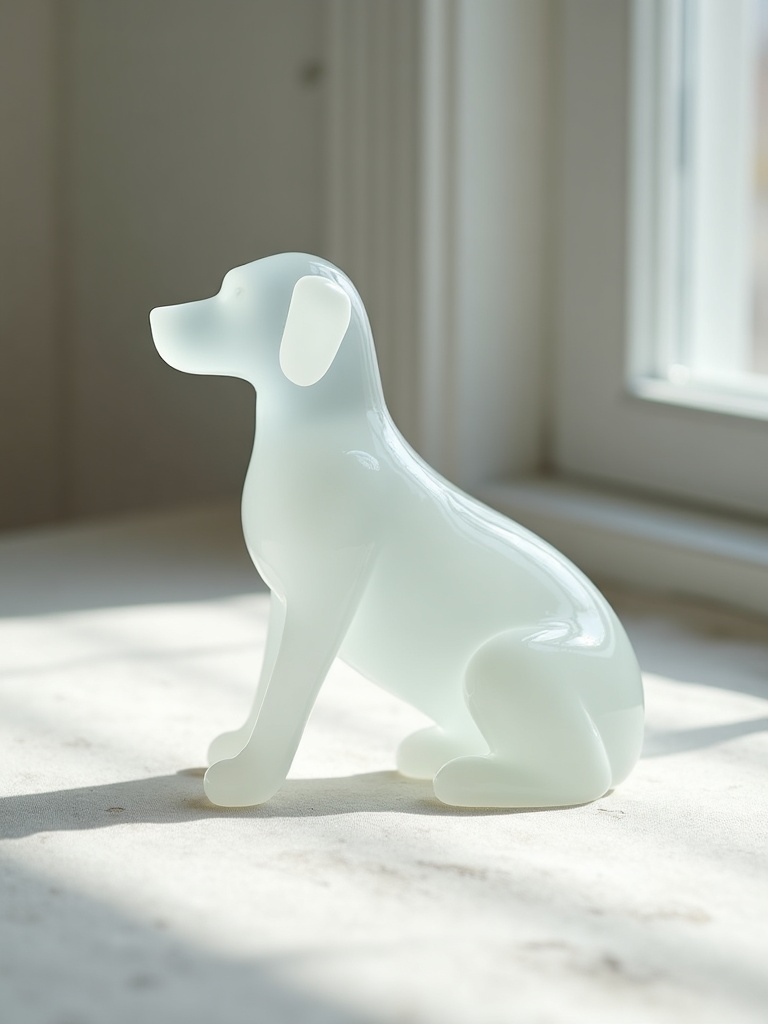
Liten — Small
Their form simplified, in clear glass. Nothing added but light. Roughly 90 mm.
2 400 kr ≈ ¥33,000
Kingdom of Crystal · Sweden
Your companion, sculpted in handblown glass by a Swedish glassmaker — their shape, worked from your photographs, with a small measure of their ashes held inside the glass. You keep the urn.
Read on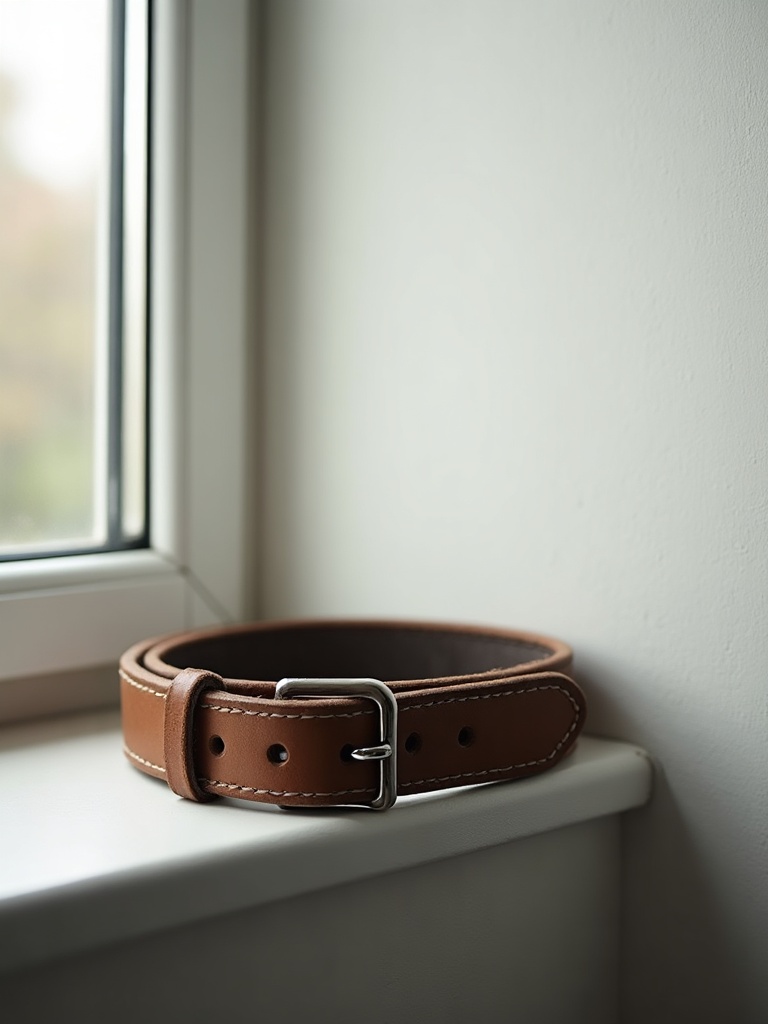
The house is quieter than it was. The bowl is still by the door, and you have not yet decided what to do with it.
There is no correct amount of time to grieve an animal, and no correct thing to do with what remains. Some people scatter. Some people keep the urn on a shelf and find, years later, that they still cannot open it.
This is one other option. You send photographs and a small measure — a few grams, no more — and a Swedish glassmaker works them into glass in their shape. The way they sat. The set of their head. Something you can pick up and hold, that does not look like a container for ashes, because it is not one.
You never have to send us the urn.
Småland, Sweden
The region is called Glasriket — the Kingdom of Crystal. Kosta, Orrefors, Boda. Generations of glassmakers working the same seam of sand and pine ash, in a part of the world where the light is thin for half the year and people learned to make things that catch it.
Your companion's piece is made here, by hand, at the furnace. Not cast in a mould, not finished in a factory. Blown, shaped, and cooled slowly over a day and a night so the glass does not remember the stress.
An independent studio working in the Glasriket tradition. Not affiliated with Kosta Boda, Orrefors, or any other glassworks.
How it works
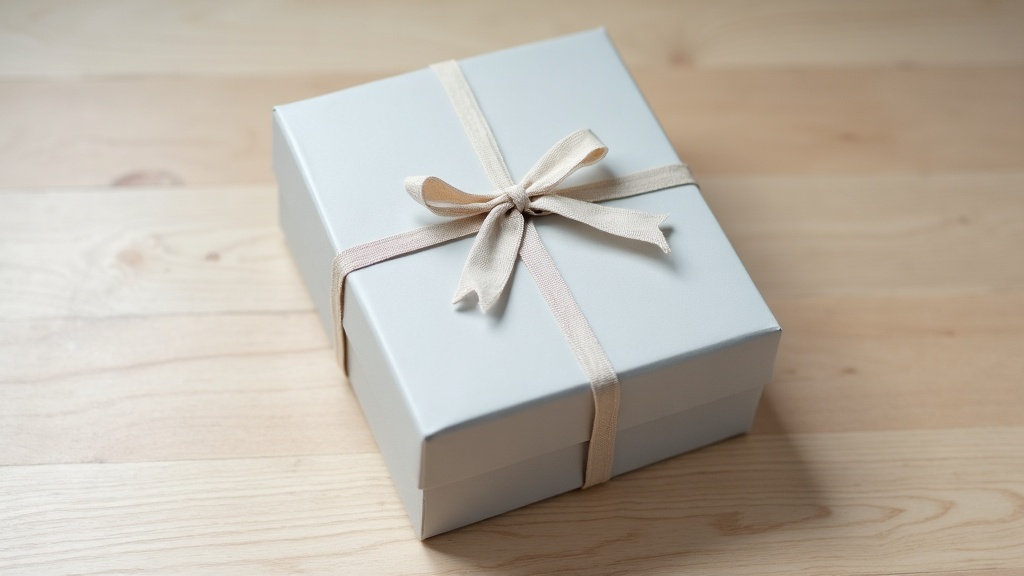
A small box, posted to you. Inside: a sealed vial, a scoop, a pre-paid tracked return envelope, and a card to write their name on. Nothing about the packaging announces what it is.
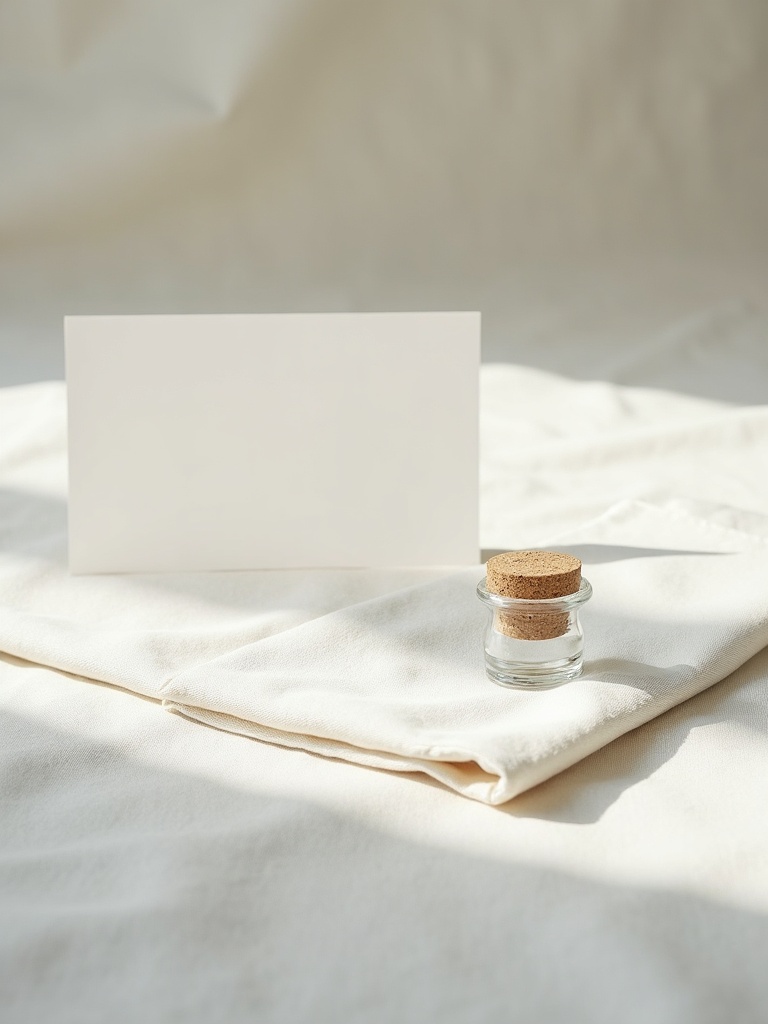
Two to five grams is enough — roughly a teaspoon — and as many pictures of them as you have. Standing, sitting, sleeping, from the side. The rest of the ashes stay with you, and you get a photograph of the vial on the bench when it arrives.
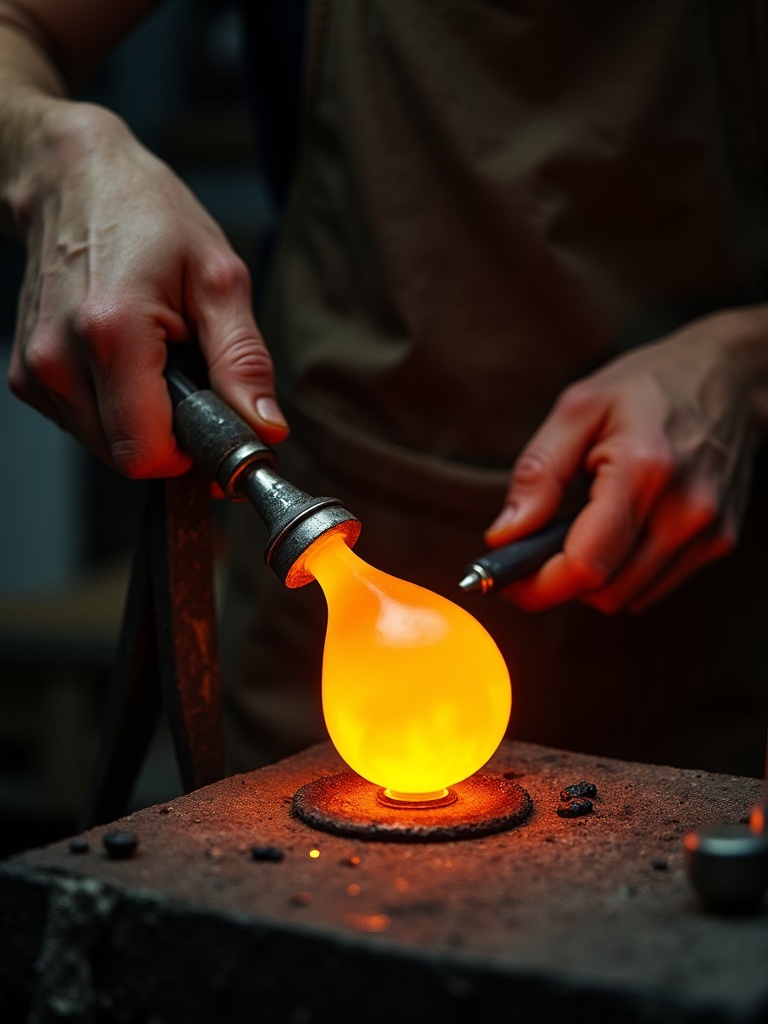
One glassmaker, one piece, start to finish — the form drawn out by hand at the furnace from your photographs. The ash goes into the gather while it is still molten, so it suspends inside the body of the glass rather than sitting in a cavity. Then a slow anneal.
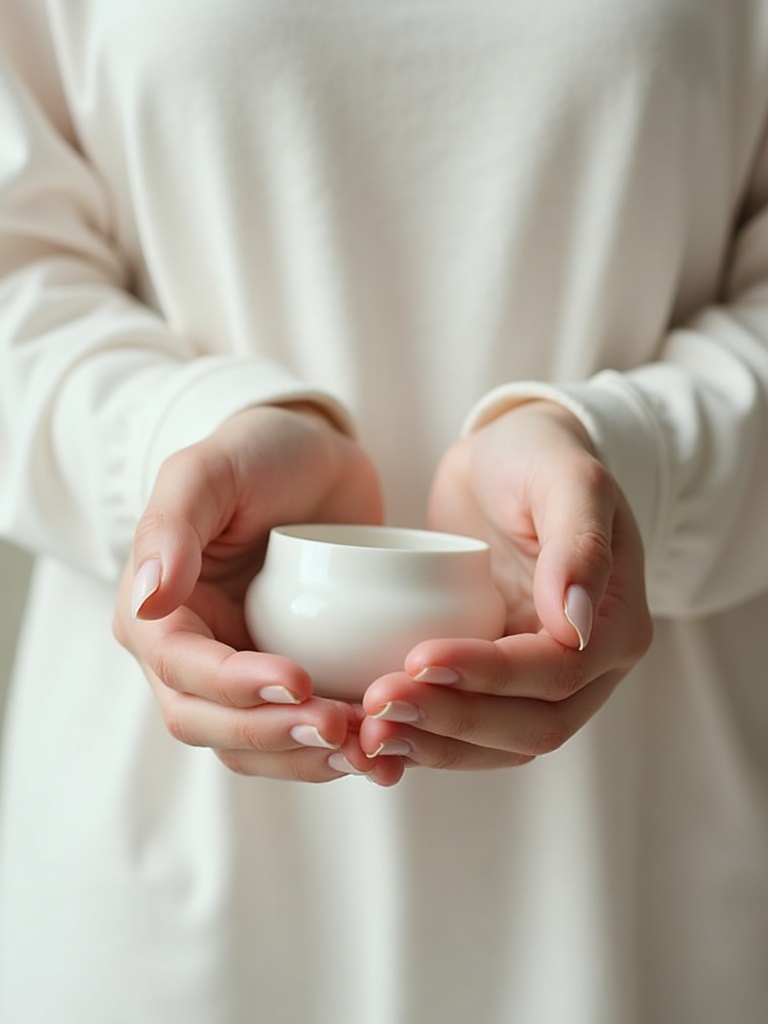
Insured, tracked, in a fitted case with a signed note recording their name and the date the glass was made. Any surplus ash is returned with it, and your photographs. Nothing is kept.
An addition, if you want it
The furnace is filmed while your piece is being worked, and cut together with the photographs you sent — a record of the hours between your companion leaving and this arriving.
Nothing in it is invented. We do not generate footage of them doing things they never did; your photographs stay your photographs, barely moved. The only new footage is the glass being made.
Offered at delivery rather than at order — most people do not want to think about it at the beginning, and it costs nothing to decide later.
The pieces
Four sizes, from a small simplified form to a full portrait. Every one is drawn by hand at the furnace from your photographs, so no two are alike — neither the likeness nor the way the ash moves through the glass can be planned or repeated.
Their form simplified, in clear glass. Nothing added but light. Roughly 90 mm.
2 400 kr ≈ ¥33,000
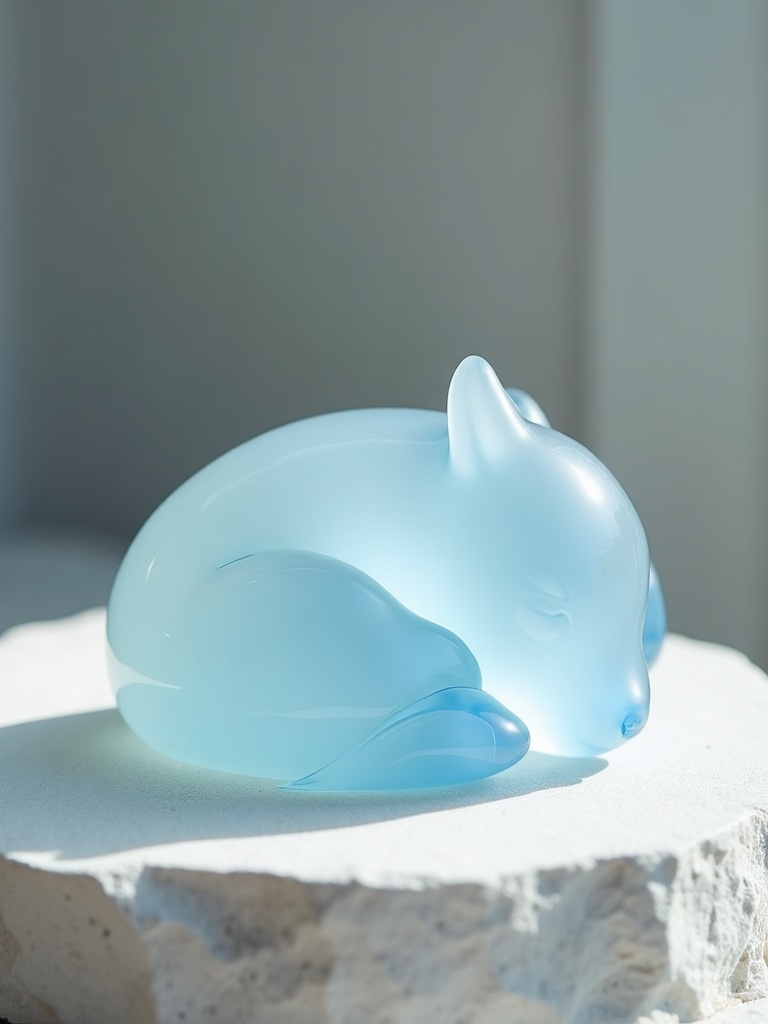
A single colour drawn through the form. Ten shades. Roughly 120 mm.
4 200 kr ≈ ¥57,000
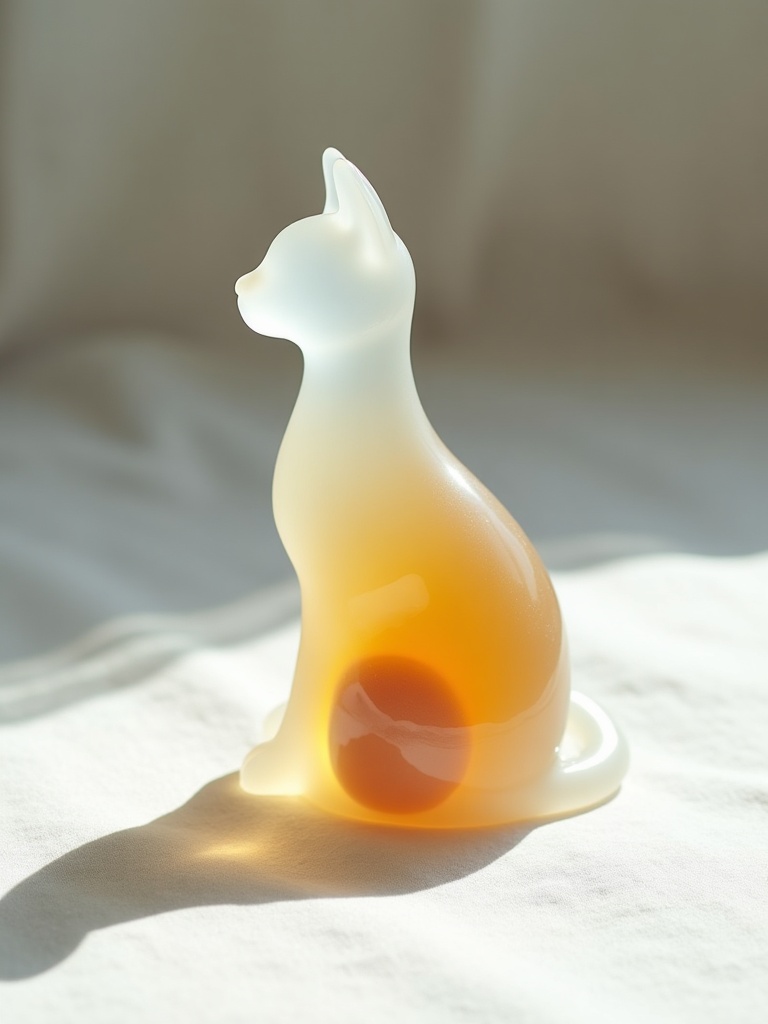
Two colours worked together, and more of them in the form. Roughly 180 mm.
6 900 kr ≈ ¥98,000
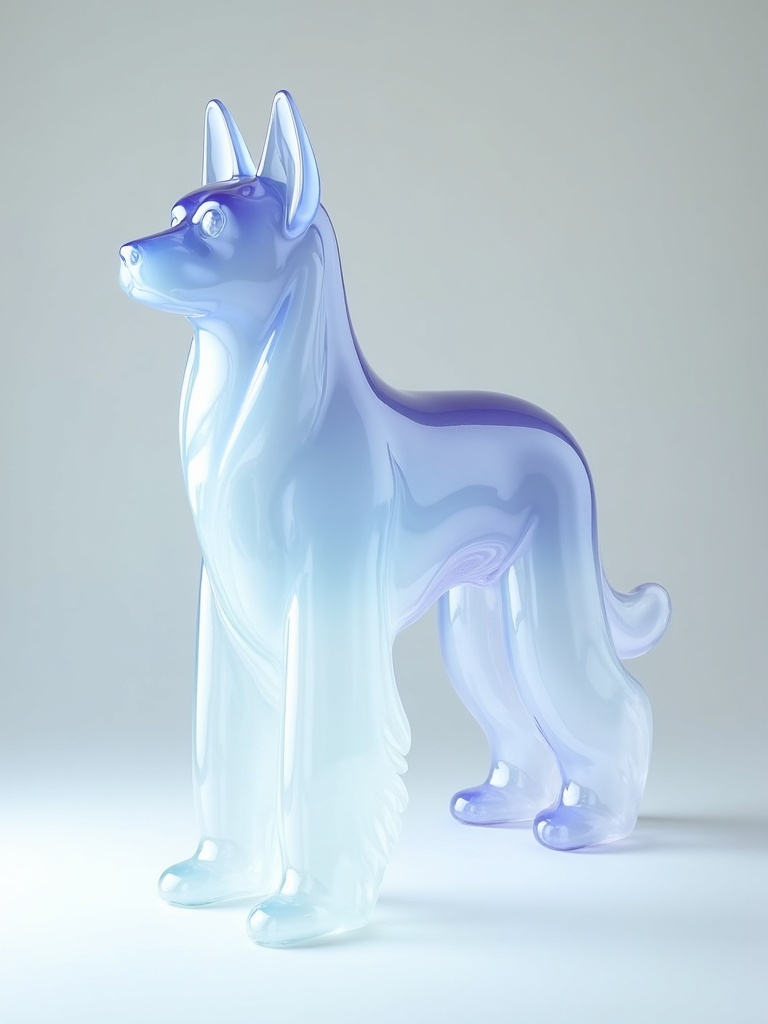
A full likeness — markings, posture, the way they held themselves. Size and colour agreed with the glassmaker directly.
11 800 kr ≈ ¥168,000
Indicative pricing, for layout purposes — to be set against actual studio cost and hours per piece before this page goes live. Note that these figures were benchmarked against Japanese studios selling abstract forms; a worked likeness is materially more labour and should almost certainly sit higher.
Before you decide
Upload a photograph and we will show you an impression of how they might be worked. It takes about twenty seconds, costs nothing, and commits you to nothing.
Your impression will appear here.
日本のお客様へ
In Japan the practice of keeping a companion at home rather than at a grave has a name and a long history. We understand the piece is not an ornament: it stands in place of the altar, the tablet and the grave together.
We are preparing to work with Japanese pet crematoria directly, so that a family never has to post remains overseas themselves. If you are a crematorium or memorial studio in Japan, we would like to talk.
Enquire about JapanQuestions people ask
From your photographs — the more the better, and from as many angles as you have. Before anything is made you are sent a sketch of the form for approval, and nothing goes near the furnace until you say yes. It is a glassmaker's impression of them, not a replica; the medium does not allow fur and whiskers, and pieces that try tend to look worse for it.
Two to five grams — about a teaspoon. Everything else stays with you, and any surplus from what you send is returned alongside the finished piece.
Yes. Say so when you order and we will keep the measures separate until the gather, then work them into the same body of glass.
It occasionally does — glass is glass. We only ever commit a portion of what you send, so there is always enough held back to begin again. You are told immediately if it happens.
Six to eight weeks from the vial arriving. The annealing alone takes a day and a night, and the studio works on one piece at a time.
Yes, the process is identical. Most of what we are asked for is for animals.
There is no hurry, and nothing expires. Write to us with their name and we will send a kit — or just ask a question, and no one will follow up unless you ask them to.
Request a kitOr write to us in Swedish, English or Japanese.